How Do Aviation Connectors Shape Aerospace?
Aviation connectors are far more than simple plugs and sockets. In the aerospace industry, they are critical enablers of safety, efficiency, and innovation. Without advanced connector systems, modern aircraft would not be able to sustain the immense complexity of their electrical and electronic systems.
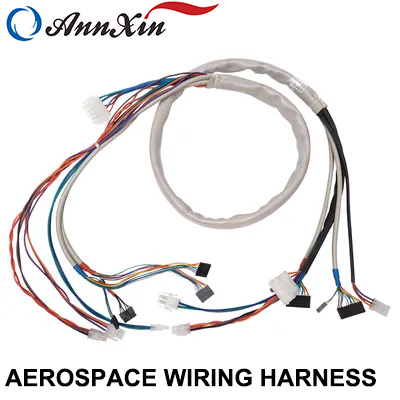
1. The Strategic Role of Connectors
Connectors serve as gateways between wiring harnesses and electronic systems. By providing stable electrical pathways, they ensure the smooth functioning of avionics, communication systems, navigation modules, and safety controls.
A M16 aviation connector is specifically designed to handle vibration, pressure, and rapid temperature fluctuations. Combined with an M12 wire harness, it creates a robust network that guarantees operational integrity across various flight conditions.
2. Waterproof and High-Reliability Solutions
Modern aerospace requires connectors that can endure harsh environments. The waterproof aerospace wiring harness is a key solution, offering resistance to humidity, high-altitude moisture, and fluid exposure.
For example, in military aircraft and satellites, the aviation cable assembly is often exposed to vacuum and radiation. A sealed connector system ensures that no electrical failure occurs, maintaining performance during critical missions.
3. Supporting Advanced Aerospace Technology
As aircraft become smarter and more autonomous, the demand for high-performance wiring grows. Aerospace connector harnesses are engineered to support advanced systems such as:
Fly-by-wire control mechanisms.
Satellite communication links.
Sensor networks for autonomous navigation.
The integration of an M12/M16 Waterproof Aviation Connector Aerospace Custom Wire Harness provides engineers with flexibility, scalability, and long-term reliability.
4. Compliance and Global Standards
Aviation connectors must adhere to international aerospace standards. Testing procedures include:
Only connectors that meet these stringent benchmarks are deployed in commercial, defense, and space aviation projects.
5. The Future of Connector Systems
Looking ahead, connector technology is expected to evolve in the following ways:
Miniaturization: Smaller, lighter designs for drones and compact satellites.
Smart diagnostics: Self-monitoring connectors that report wear or damage.
High-speed data handling: To support AI-driven avionics and autonomous aircraft.
Eco-friendly materials: Sustainable alternatives to reduce aerospace waste.
These innovations will allow aviation to push the limits of performance and safety.
Conclusion: Bridging Systems with Connectors
Aviation connectors may appear small, but they are among the most powerful tools driving aerospace innovation. By enabling safe, reliable, and efficient connectivity, they lay the foundation for the future of aviation technology.
If you’re curious about how comfort and efficiency extend to passenger-focused technology, don’t miss our next article:
👉 「なぜ航空宇宙ワイヤーハーネスは未来の飛行に不可欠なのか?」