What Is the Standard for Wire Harnessing?
Wire harnessing is one of the most crucial aspects of electrical engineering and manufacturing, ensuring that power and signals are delivered safely and efficiently. To maintain quality, reliability, and safety across industries, strict standards have been established. Understanding these standards is essential for engineers, manufacturers, and industries that rely on robust electrical systems.
1. International Standards
There are several global standards that define how wire harnesses should be designed, manufactured, and tested:
IPC/WHMA-A-620: The most widely recognized international standard for wire harnesses, specifying requirements for materials, crimping, soldering, insulation, and testing.
ISO 9001 & IATF 16949: Quality management standards widely used in automotive and industrial harness production.
UL & CSA Certifications: Standards for fire resistance, safety, and material compliance in North America.
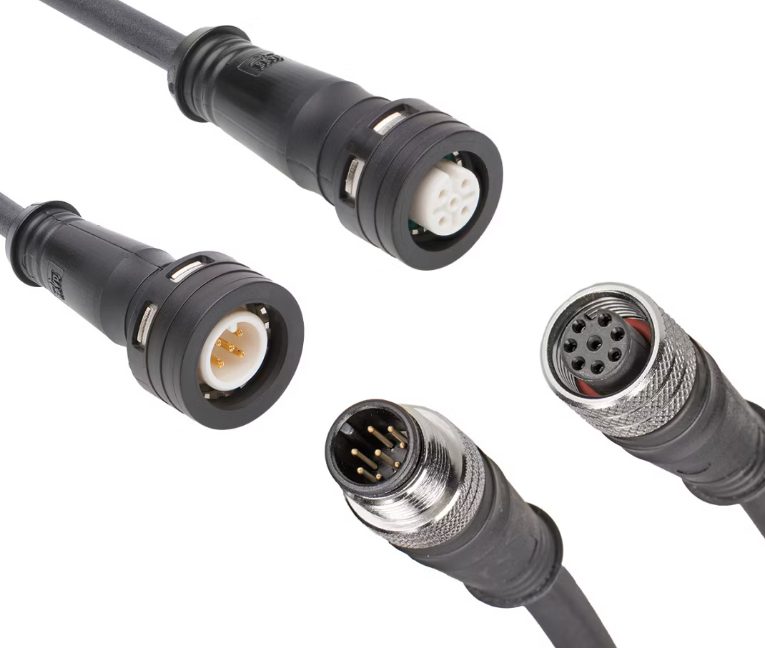
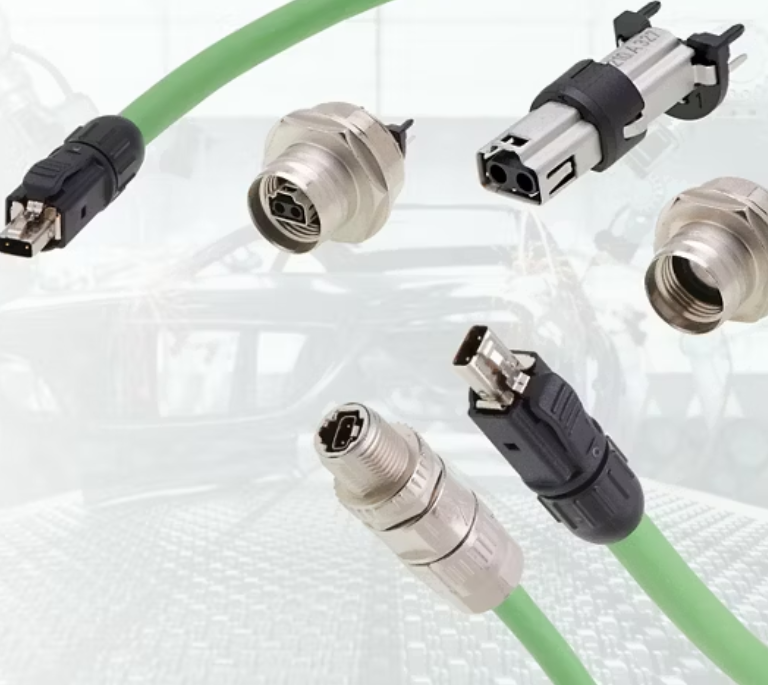
Manufacturers use M12 Industrial Robot Cable Assemblies Waterproof Dustproof Connector Harness solutions to comply with safety and durability standards, especially in automation.
2. Design and Safety Guidelines
Wire harness design follows strict rules to prevent failures:
Material Selection: Using flame-retardant, heat-resistant cables.
Connector Standards: M12 connector solutions ensure strong mechanical and electrical performance.
Durability Tests: Harnesses must pass vibration, dust, and moisture resistance checks.
Flexibility: For robotic applications, robot harness solutions support constant motion without breaking.
3. Industrial Applications
Industries such as automotive, robotics, aerospace, and renewable energy rely on these standards to ensure:
Consistent quality of industrial cable assemblies.
Safe installation and long operational life.
Compliance with international safety regulations.
For example, in robotics, automation connection cable systems are designed to meet durability standards while providing efficient energy transfer.
4. Quality Assurance and Testing
Manufacturers must follow strict procedures to meet compliance:
Electrical continuity tests.
Insulation resistance checks.
Waterproof and dustproof performance validation.
Mechanical stress and bending endurance.
Standards ensure that every harness can withstand real-world conditions before entering the market.
5. The Future of Wire Harness Standards
With Industry 4.0 and increasing automation, standards continue to evolve:
Smart harnesses with built-in sensors.
Eco-friendly materials for sustainable production.
Enhanced requirements for data transfer in high-speed automation.
Conclusion
Wire harnessing standards provide the foundation for safe, efficient, and durable electrical systems across industries. By following IPC/WHMA, ISO, UL, and other international frameworks, manufacturers ensure their harnesses can withstand demanding conditions.
👉 In the next article, we will explore “How to manufacture a wire harness?”, walking step by step through the production process.