How to Manufacture a Wire Harness?
Manufacturing a wire harness is a highly detailed process that requires precision, organization, and compliance with strict industry standards. A wire harness is not just a bundle of wires; it is a carefully engineered system designed to deliver power and signals reliably across different applications. Let’s walk step by step through how a wire harness is manufactured.
1. Design and Engineering
The process begins with design. Engineers evaluate the requirements of the system where the harness will be used:
Electrical load capacity.
Environmental conditions (heat, vibration, moisture).
Type of connectors and insulation needed.
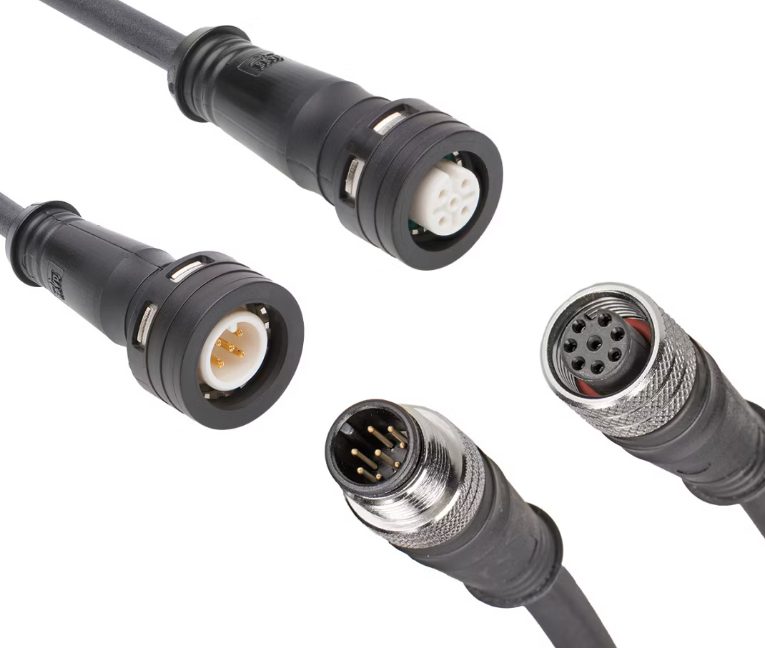
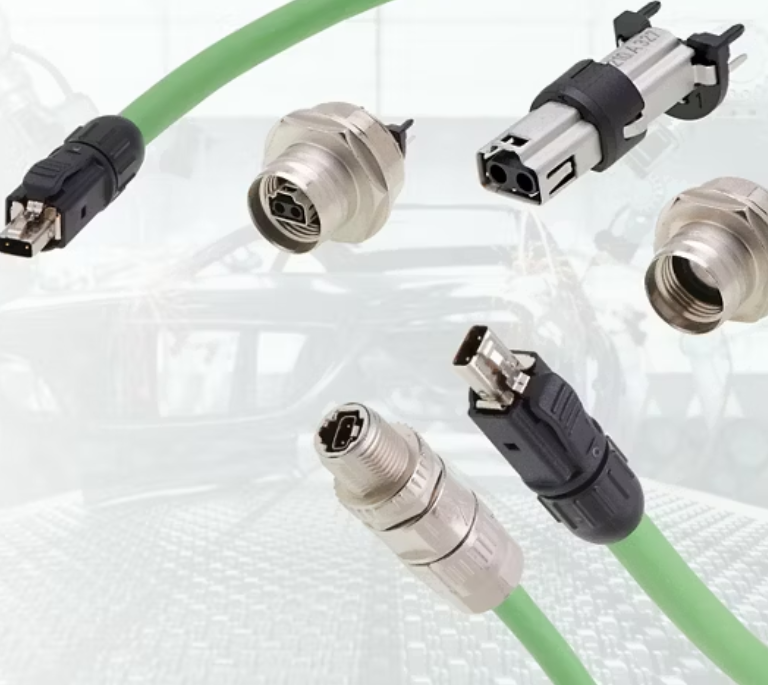
For robotics and automation, solutions like the M12 Industrial Robot Cable Assemblies Waterproof Dustproof Connector Harness are designed to meet both durability and safety requirements.
2. Wire Cutting and Preparation
Once the design is finalized, wires are cut to specific lengths. Preparation includes:
Stripping insulation at connection points.
Marking or labeling wires for easy identification.
Grouping wires according to their function.
High-performance industrial cable assemblies are selected for efficiency and reliability.
3. Connector Assembly
The next step is attaching connectors to the wires.
M12 connector systems are widely used in automation and robotics.
Crimping or soldering ensures a strong mechanical and electrical bond.
Connectors are tested for resistance, continuity, and durability.
4. Bundling and Routing
After connectors are attached, wires are bundled and organized into a robot harness. This step ensures:
Materials like tapes, heat-shrink tubing, and sleeves are used to secure the harness.
5. Protection and Insulation
Harnesses are often exposed to dust, moisture, and high mechanical stress. To address this:
Waterproof dustproof protection is applied to connectors.
Outer coverings shield wires from heat and chemicals.
Reinforcement ensures flexibility for moving applications.
6. Testing and Quality Control
Before shipping, every harness undergoes rigorous testing:
Electrical continuity tests.
Insulation resistance checks.
Mechanical stress testing.
These ensure that the harness will perform under real-world conditions.
Conclusion
Manufacturing a wire harness is a structured process involving design, preparation, connector assembly, bundling, insulation, and testing. By following strict standards, manufacturers deliver safe, durable, and efficient harnesses for industries worldwide.
👉 In the next article, we will examine “How big is the wire harness market?”, focusing on global trends and industry growth.