Why Choose PTFE Aerospace Harness?
In the aerospace industry, precision, durability, and safety are non-negotiable. One of the most critical components ensuring these qualities is the PTFE aerospace harness. These highly specialized wiring systems are designed to withstand the extreme conditions of flight, from searing heat to freezing cold, while maintaining flawless electrical performance. But what makes these harnesses so indispensable in modern aviation?
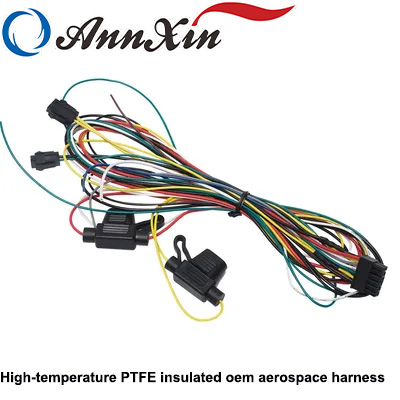
1. Withstanding Extreme Temperatures
Aircraft and spacecraft operate in environments where temperatures vary dramatically. High temperature aerospace wiring is engineered with PTFE insulation, which can endure heat well above 200°C without compromising performance.
This resilience makes it an essential part of jet engines, avionics, and satellite systems. By using Custom High-temperature PTFE Insulated Aerospace Harnesses, engineers ensure that electrical systems remain stable even during prolonged missions.
2. Customization for Complex Systems
No two aerospace applications are the same. For this reason, custom aerospace wire harnesses are in demand. These harnesses are tailored to the specific needs of an aircraft, considering space limitations, weight constraints, and electrical requirements.
For instance, lightweight designs reduce overall aircraft mass, improving fuel efficiency. At the same time, precise engineering ensures efficient signal transmission with minimal interference, a crucial factor for high-reliability aerospace systems.
3. Safety Through Insulation and Protection
Aerospace harnesses must not only conduct electricity but also safeguard against risks. Insulated aerospace cable assemblies are manufactured with PTFE and advanced shielding materials that prevent electrical leakage and electromagnetic interference (EMI).
This means pilots and onboard systems receive reliable signals, free from disruptions. Such safety features protect both the aircraft and its passengers, underscoring why these components are often called the “nervous system of aerospace.”
4. Meeting Global Standards
The aerospace sector enforces some of the strictest standards in engineering. Harnesses must undergo rigorous tests for fire resistance, tensile strength, vibration tolerance, and long-term durability.
PTFE aerospace harnesses excel under these requirements, as they are designed for longevity. By resisting both mechanical stress and environmental exposure, they minimize the risk of in-flight failures, which is critical for both commercial aviation and space exploration.
5. The Future of Aerospace Wiring
Looking forward, aerospace wiring technology is set to evolve further:
Miniaturization: Smaller, lighter harnesses that save space and fuel.
Advanced insulation: Improved PTFE composites to handle higher voltage and temperature.
Digital integration: Harnesses with embedded sensors for real-time diagnostics.
Sustainability: Eco-friendly materials reducing aerospace waste.
Each of these trends reinforces the role of wiring systems as the foundation of innovation in aviation.
Conclusion: Why PTFE Harnesses Matter
The PTFE aerospace harness is more than a wiring bundle—it is the lifeline of aircraft and spacecraft. By combining high-temperature resistance, custom engineering, and advanced insulation, these harnesses ensure reliable performance under the harshest conditions.
If you want to understand how high temperature aerospace wiring plays an even greater role in next-generation aviation, don’t miss our next article:
👉 “How Does High-Temperature Aerospace Wiring Enhance Reliability?”