OBD2 D & B-series Tucked Engine Harness?
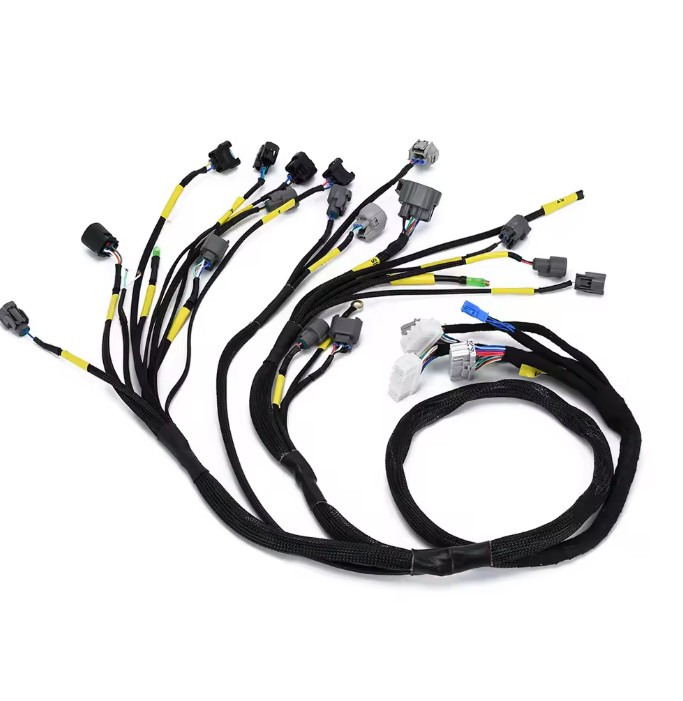
In the world of Honda performance builds, one of the most important upgrades for reliability and aesthetics is the OBD2 D & B-series tucked engine wire harness. Designed for Civic and Integra models produced between 1992 and 2000, this harness simplifies wiring, enhances durability, and gives the engine bay a much cleaner appearance. But what exactly does it do, and why do enthusiasts and mechanics choose it for their projects?
1. What is a Tucked Engine Harness?
A tucked engine harness is a custom wiring solution that conceals wires, routes them along hidden paths, and replaces outdated OEM looms. Unlike factory wiring, it offers:
Improved aesthetics: Creates a clean engine bay.
Durability: Built with automotive-grade wire and heat shrink junctions.
Compatibility: Works with multiple Honda platforms, including Civic and Integra.
Builders often choose a wire tuck harness Honda Civic Integra because it provides both a professional look and improved manageability during engine swaps.
2. Applications in Civic and Integra Builds
For models like the EG, EK Civic or DC2 Integra, enthusiasts rely on these harnesses for different swaps:
B-series builds: Using a B-series engine wire harness for B16 or B18 swaps.
D-series setups: A D-series engine swap harness is a must-have for D16 tucked conversions.
Hybrid swaps: Builders using OBD1 ECUs often adapt with an OBD1 swap harness or OBD1/2 cross-compatible harness.
This makes the harness extremely versatile across 1992-2000 Honda platforms.
3. Benefits Beyond Aesthetics
While many appreciate the cleaner look, the benefits go deeper:
Performance reliability: Mil-spec Teflon insulation and OEM-style connectors ensure stable signals.
Sensor integration: Includes provisions for TPS, oil pressure, knock sensors, and more.
Compatibility with injectors: Supports high-impedance injectors for performance tuning.
A performance wiring harness Civic Integra reduces the risk of electrical failures during track days or daily driving.
4. Common Features of OBD2 Engine Harness Kits
Modern kits often include:
Fuse box panel integration for simplified power distribution.
Distributor plug 10-pin OBD2 style for plug-and-play use.
Grounding braid engine harness for better electrical stability.
Expandable loom tucked harness for flexibility during custom installs.
Builders looking for long-term reliability prefer a full engine loom harness kit with OEM crimped terminals and high-quality connectors.
5. Why Enthusiasts Choose Wire Tuck Harnesses
Cleaner engine bay: Especially important for show cars.
Ease of troubleshooting: Properly labeled wires and OEM-style plugs make diagnostics easier.
Future-proofing: A universal Honda engine harness kit supports different ECU and sensor setups.
For instance, a tuner upgrading to a turbocharged B18 will appreciate a harness for B18 swap that integrates seamlessly with aftermarket sensors.
6. Practical Example
Imagine building a 1998 Civic with a B18C swap. The original wiring is brittle, messy, and incompatible with performance injectors. By installing an OBD2 engine harness kit with fuse box panel, the builder ensures reliability while achieving a clean, tucked look.
This not only improves function but also transforms the engine bay into a professional-grade setup.
Conclusion
The OBD2 D & B-series tucked engine wire harness is more than just an accessory—it is a performance upgrade, a styling improvement, and a practical solution for Honda enthusiasts. Whether for a D16 tucked build or a B18 swap, it guarantees a balance of reliability and aesthetics.
👉 In the next discussion, we will explore the broader topic of OBD1 swap harnesses and their role in Honda engine conversions.