What B2B Buyers Should Know About Import Regulations (US/EU)
来源:|作者:Natalie|发布时间 :2025-10-31|200 次浏览:|🔊 Click to read aloud❚❚▶|Share:
For U.S. and EU importers, success in sourcing automotive wiring products depends on regulatory awareness, documentation accuracy, and supplier reliability. By choosing certified Asian manufacturers, B2B buyers can guarantee safe, compliant, and efficient imports while maintaining competitive pricing.
What B2B Buyers Should Know About Import Regulations (US/EU)
For American and European distributors sourcing from Asia, understanding import regulations for customized automotive cable looms is vital to ensure smooth cross-border trade. Importing electrical components such as factory-made vehicle wiring harness kits involves strict compliance with customs, safety, and environmental standards. Failure to meet these requirements can result in costly delays or product recalls, especially in high-volume B2B transactions.
1. Compliance with US and EU Standards B2B buyers should confirm that suppliers provide certifications such as ISO/TS 16949, CE, RoHS, and REACH before importing professional automotive wire interconnect systems. The U.S. focuses on electrical safety and labeling accuracy under UL standards, while the EU enforces directives related to hazardous substances and recycling. Ensuring compliance from the start will save time during inspection and customs clearance.
2. Documentation and Product Traceability When importing manufacturer-customized vehicle electrical connectors, accurate documentation is key. Both U.S. Customs and the EU require complete product traceability — from part number and production batch to material specifications. A clear record not only ensures compliance but also strengthens brand reliability in after-sales support and warranty claims.
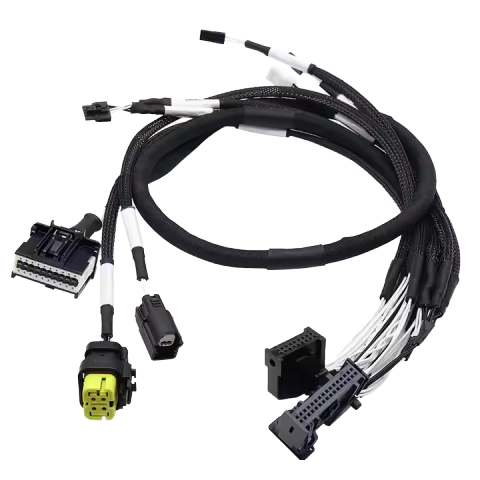
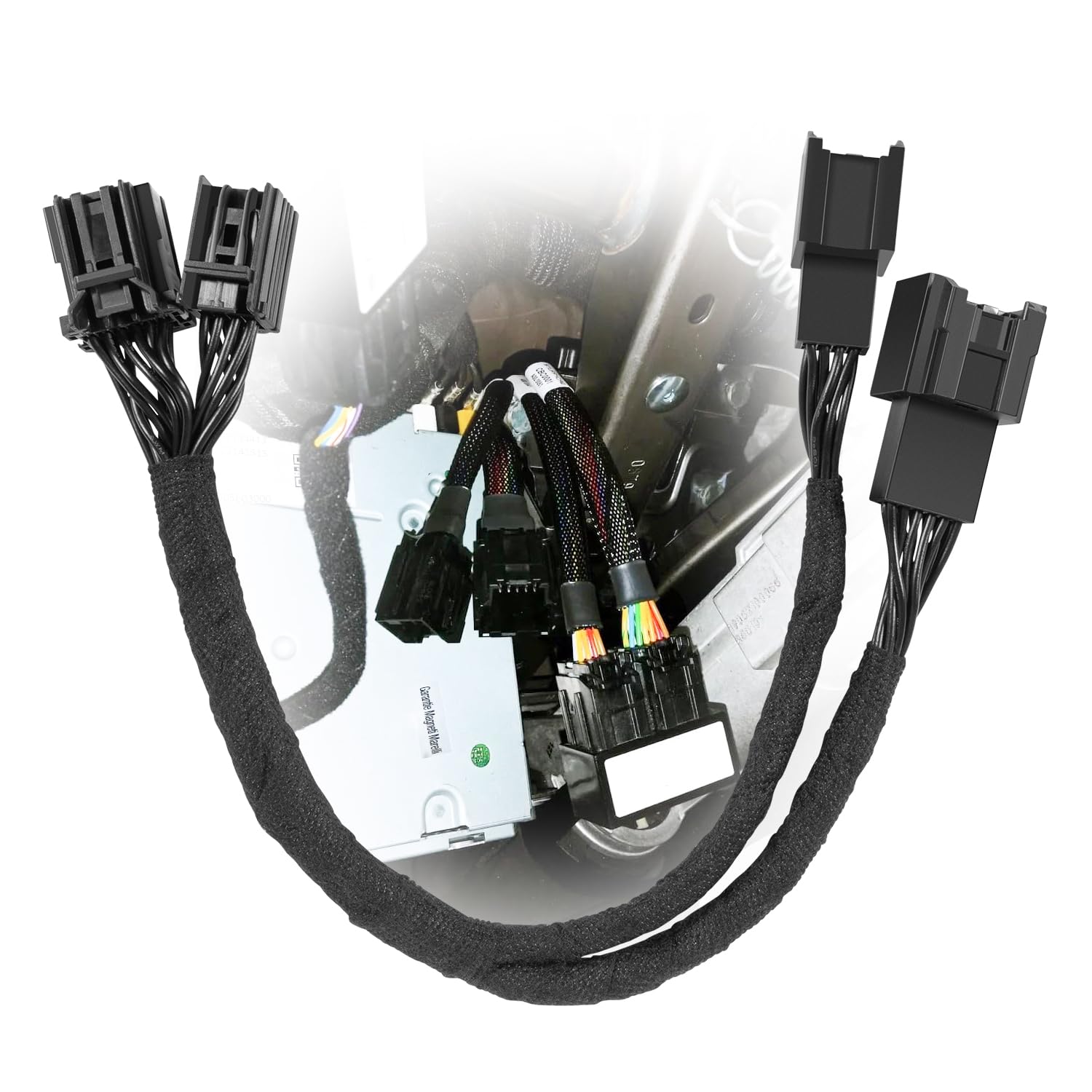
3. Product Example: Annxin 20Pin Auto PCB Connector Set A good example of an export-ready, regulation-compliant product is the Annxin Cable Custom 20Pin Auto PCB Connector Set. This automotive modification connector kit features a robust 20-pin interface compatible with various PCB boards, USB ports, and car modification systems. Its high-quality copper contacts, precision molding, and flame-retardant housing ensure optimal conductivity and durability. Ideal for dashboard upgrades, infotainment systems, and power distribution, it meets the compliance needs of both U.S. and EU markets.
4. Import Duties and Tariff Classification Understanding tariff codes (HS codes) for custom automotive wiring assemblies is crucial. Misclassification can result in higher duties or legal penalties. Buyers should consult logistics agents or customs brokers to ensure proper product labeling under the Harmonized Tariff Schedule.
Conclusion For U.S. and EU importers, success in sourcing automotive wiring products depends on regulatory awareness, documentation accuracy, and supplier reliability. By choosing certified Asian manufacturers, B2B buyers can guarantee safe, compliant, and efficient imports while maintaining competitive pricing.